
How Proposed Property Tax Reforms Could Change Where Australians Invest.
The proposed 2026 Federal Budget reforms could reshape the way Australians invest in property. While much of the debate has focused on whether investors will leave the market, the bigger question may be where they choose to buy next. Under the proposed changes, negative gearing would no longer apply to newly purchased established homes, but would still be available for newly built properties, which may begin redirecting investor demand towards properties that add to housing supply.
The Big Shift for Established Properties
From 1 July 2027, investors who acquire established residential properties after the Budget announcement will no longer be able to immediately deduct net rental losses against their income. Those losses will instead be carried forward and used against future residential rental income or capital gains.
Existing investment properties are protected, so current arrangements remain unchanged. But for investors planning their next purchase, established properties may now come with a higher immediate after-tax holding cost.
Why New Builds May Gain More Investor Interest
Newly built properties retain access to negative gearing under the proposed reforms. Investors who purchase new homes will also be able to choose between the existing 50% CGT discount and the new indexation and minimum-tax treatment when they eventually sell.
This does not mean every new build is automatically a stronger investment. Location, rental demand, property quality and finance structure still matter. But it does mean investors may start comparing new builds and established properties very differently than before.
What This Could Mean for Investor Demand
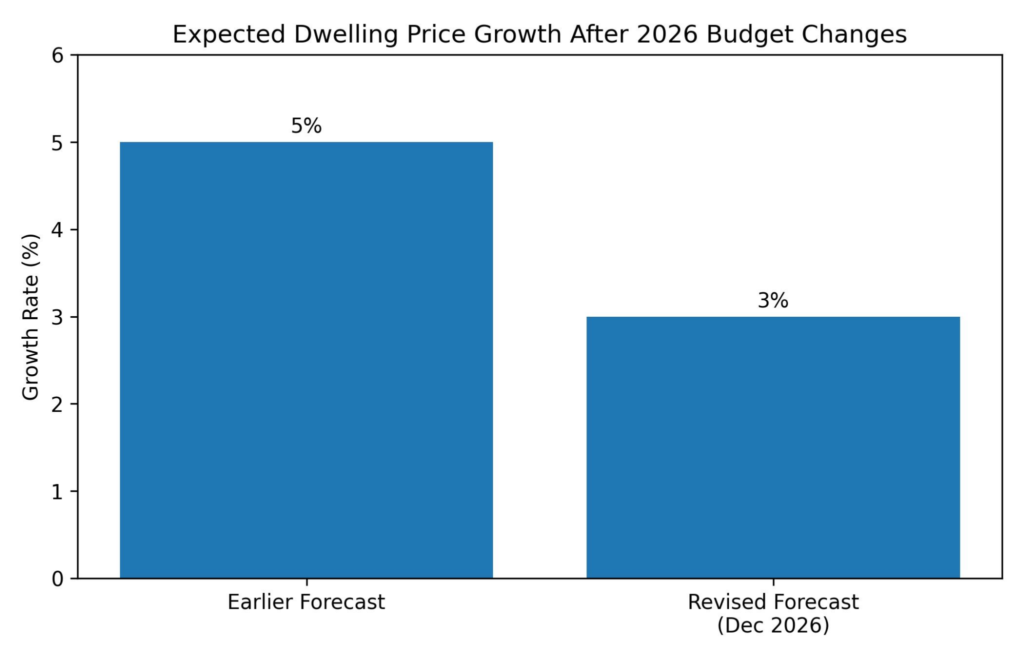
Many market commentators expect the reforms to reduce the relative attractiveness of established investment properties, particularly apartments, townhouses and lower-priced dwellings where investor participation has traditionally been strong. At the same time, retaining negative gearing for new homes is designed to redirect some investor demand towards new supply.
The Budget also includes a $2 billion Local Infrastructure Fund to support infrastructure needed for new housing development. So, rather than investors disappearing from the property market altogether, some may adjust where they buy and what type of property they consider.
For investors, these changes highlight the importance of aligning property selection with finance strategy. At Safe Haven Finance, that’s exactly what we help clients do. We work across 50+ lenders to find the right fit for your situation, whether you’re buying your first home, upgrading, investing, or building.
What This Means for Your Investment Loan
For investors, the property type and the loan structure now need to be considered together. Under the proposed rules, two properties with similar purchase prices could produce very different after-tax cash-flow outcomes depending on whether they are classified as new or established. Understanding these differences before signing a contract may help investors avoid unexpected holding costs. Before purchasing, it is worth reviewing your borrowing capacity, projected repayments and whether your finance structure still supports your investment goals.
If you’re weighing up an established property against a new build, we can help you understand how your finance options may fit your next investment move.
Thinking about your next investment purchase? Before committing to a new build or established property, make sure your finance strategy supports your long-term goals. Contact Safe Haven Finance on +61 433 564 936 and book a free consultation, for a free, obligation-free discussion about your options.
Follow us on Instagram and LinkedIn for regular updates on the market, lending changes, and practical tips to help you get finance-ready.