Property Fraud Risks in Australia: What Buyers Need to Know in 2026
If you’re buying property in Australia this year, there’s something worth understanding before you walk into a bank.
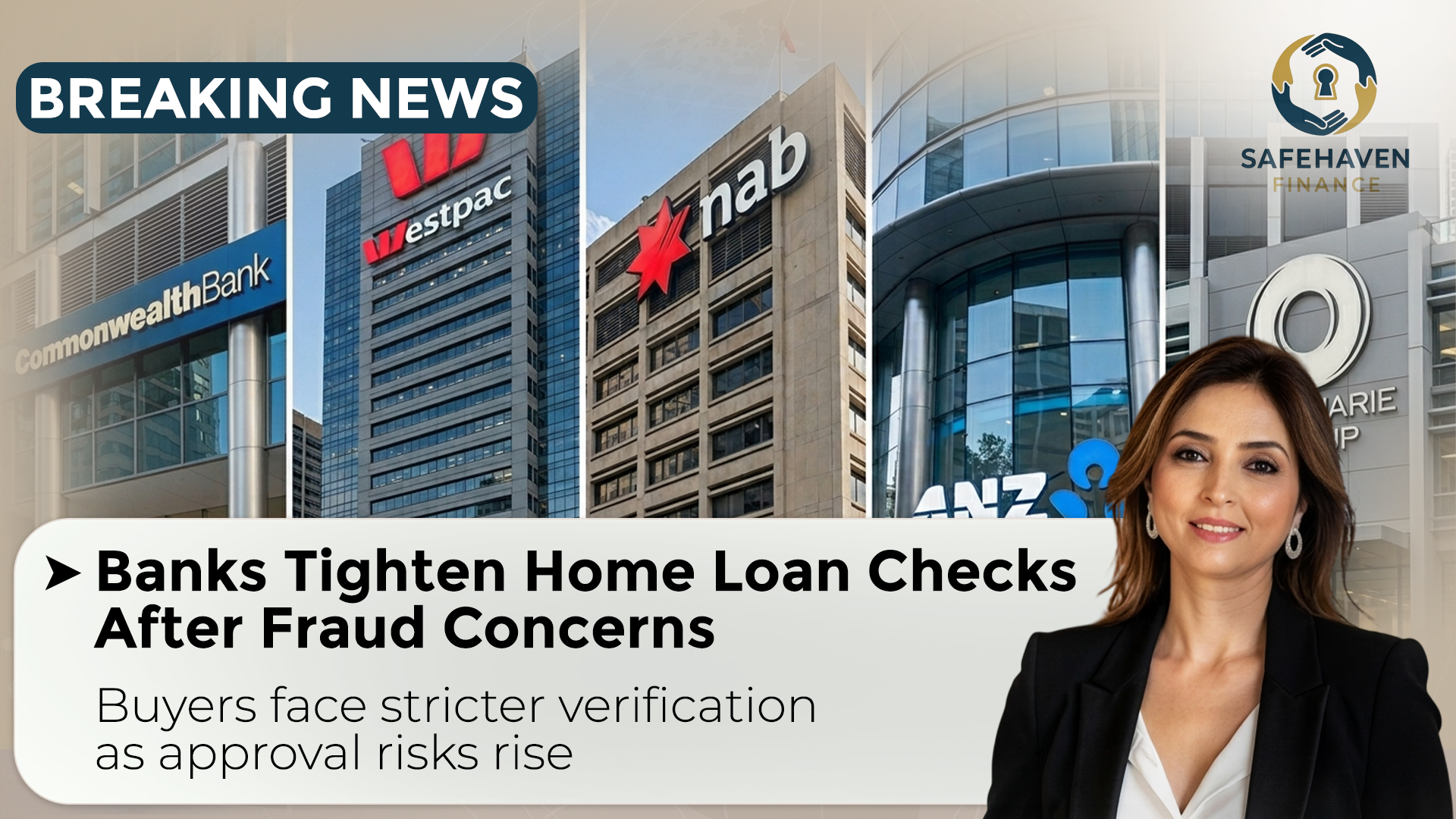
Recent commentary from regulators, including the Australian Competition and Consumer Commission, has pointed to the need for stronger verification processes in mortgage lending, following concerns around fraudulent documentation in the industry. Banks are now responding by tightening checks at the application stage.
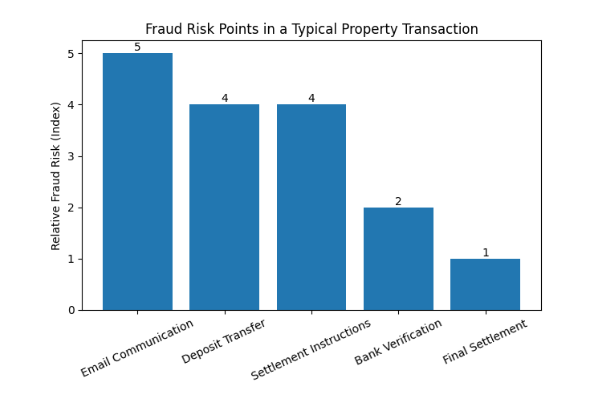
Most people focus on interest rates when buying property. But there’s another risk that’s quietly getting more attention, fraud during the transaction process itself.
While much of the focus has been on fraud at the lending stage, the ATO, banks, and cybersecurity authorities have all been placing greater focus on fraud prevention and buyer awareness as a result.
How It Typically Happens
Property transactions involve large sums of money, multiple parties, buyers, brokers, conveyancers, banks, and time-sensitive communication. That combination creates gaps that fraudsters look to exploit.
One pattern that keeps coming up: someone intercepts an email chain between a buyer, their conveyancer, or their bank, then sends through “updated payment details” that look legitimate. The money gets transferred. By the time anyone realises, it’s gone, and getting it back is rarely straightforward.
What’s being done about it
Banks have been tightening how they verify identities and flag unusual transactions, and the ATO has been putting out more warnings about impersonation scams, particularly aimed at people in the middle of financial dealings, where large transfers are expected and less likely to raise immediate suspicion. If you notice more verification steps or checks during your loan or settlement process, that’s intentional, and it’s a good thing.
Simple Steps That Make a Real Difference
For most buyers, the property process remains smooth and secure. But awareness has become a genuine part of making informed decisions. A few practical habits can go a long way:
- Always confirm bank details by calling a trusted number directly; never rely solely on email
- Treat last-minute changes to payment instructions with caution
- Double-check email addresses carefully before responding or transferring funds
- Take your time before moving large amounts, even when things feel urgent
The Bigger Picture
Interest rates and borrowing capacity are important, but so is understanding how money actually moves during a property transaction. As digital processes continue to improve efficiency, they also bring a greater need for verification and awareness at each stage.
Property transactions are generally well-managed and secure when the right steps are followed. The goal isn’t to create concern, but to ensure you’re informed and prepared before reaching the critical stages of a transaction, it’s to make sure you’re informed before you get to the pointy end of the process.
If you have questions about how your loan or transaction is structured, or you want to make sure your application is set up correctly from the start, reach out to the team at Safe Haven Finance.
Call us on +61 433 564 936, or book a free 15-minute consultation and let’s talk through where you’re at.
For updates and tips on the Australian lending market, follow us on Instagram and connect with us on LinkedIn.